Every artisan has a fingerprint. Every fingerprint has a story.
Most things in your home were made by no one in particular.
One-time, 10% Founder's discount. First look at the collection in May 2027. Join the list.
Those who join will receive a one-time, 10% Founder's discount & a first look at Blue Souk's artisan goods, thoughts on AI & provenance, & more.
Follow the journey of Blue Souk's first collection of Tunisian, artisan objects. We'll only write meaningfully. No spam.
Blue Souk is bringing Tunisian, artisanal objects into American homes: wool, olive wood, woven cotton, pottery & stoneware. Each piece carries fingerprint-level proof of its own origin & all objects are verified by Blue Souk's provenance infrastructure. No two pieces are identical.
Be there when the doors open.
Founding subscribers get an exclusive, one-time, 10% Founder's discount & the occasional update from Tunisia ahead of launch in Spring 2027. No spam. No noise.
Tunisian hands,
Your home.
Rugs hand-knotted by weavers in the Matmata region, olive wood made in Sfax, stoneware & ceramics fired in Nabeul & Djerba, fouta towels woven on looms in Ksar Hellal. Each piece sourced from the place that's been making it for generations — and chosen, one at a time. More objects, and real photography, arriving before launch in May 2027.
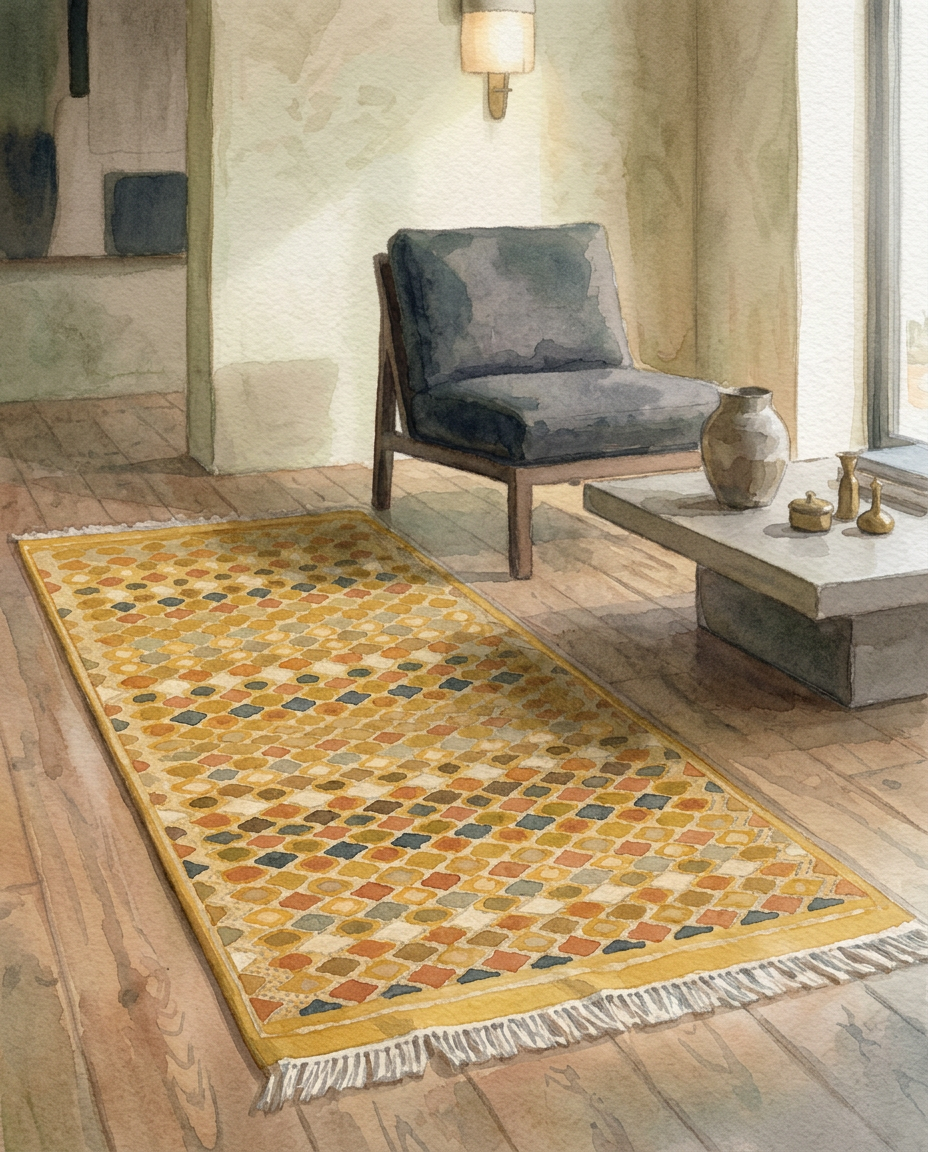
Pure, Toujani wool rug from Matmata.
Hand-knotted in Toujane by a known weaver. The Toujani diamond & golden, yellow inlay is her design — and her grandmother's before her.
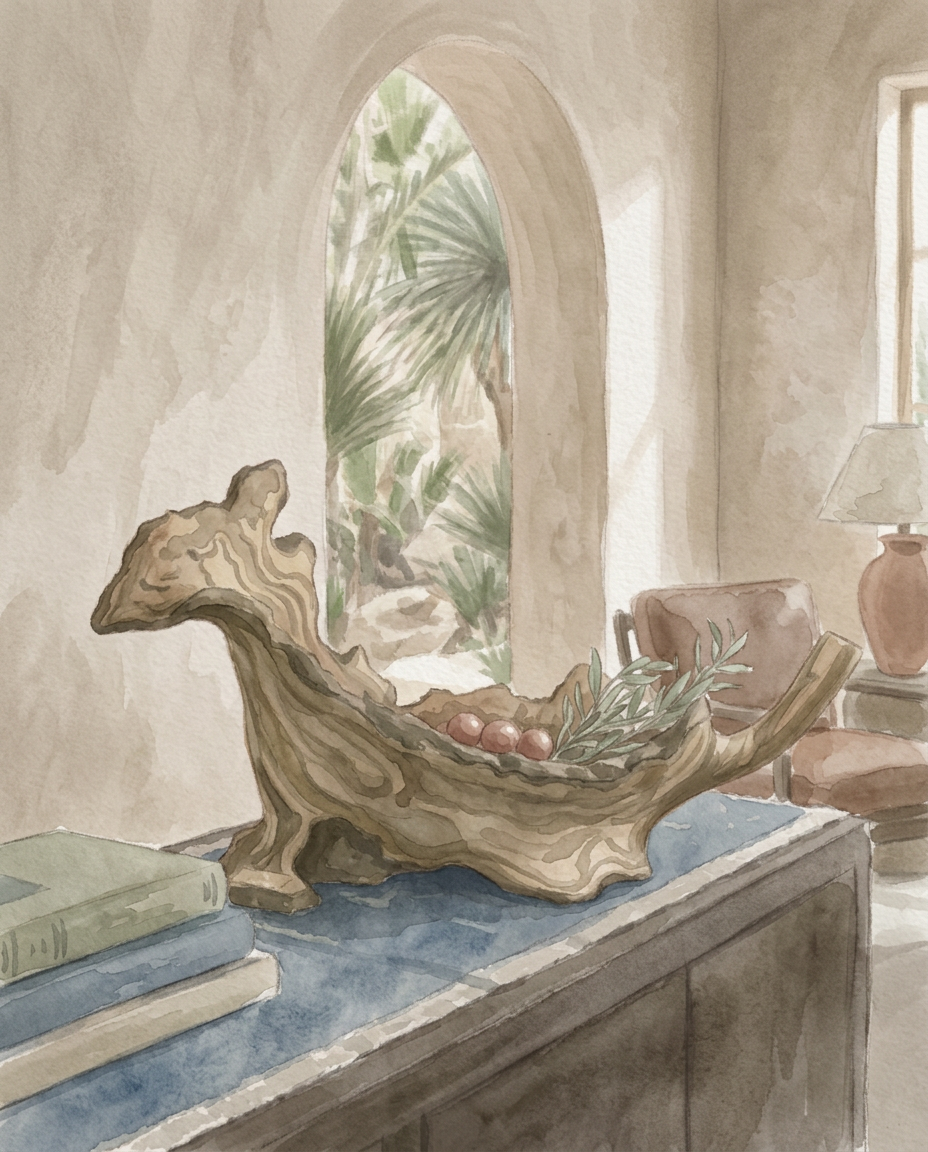
Olive root-wood centerpiece from Sfax.
Carved from the roots of a single olive tree in a Sfax workshop. The grain decides the contour — no two silhouettes repeat.
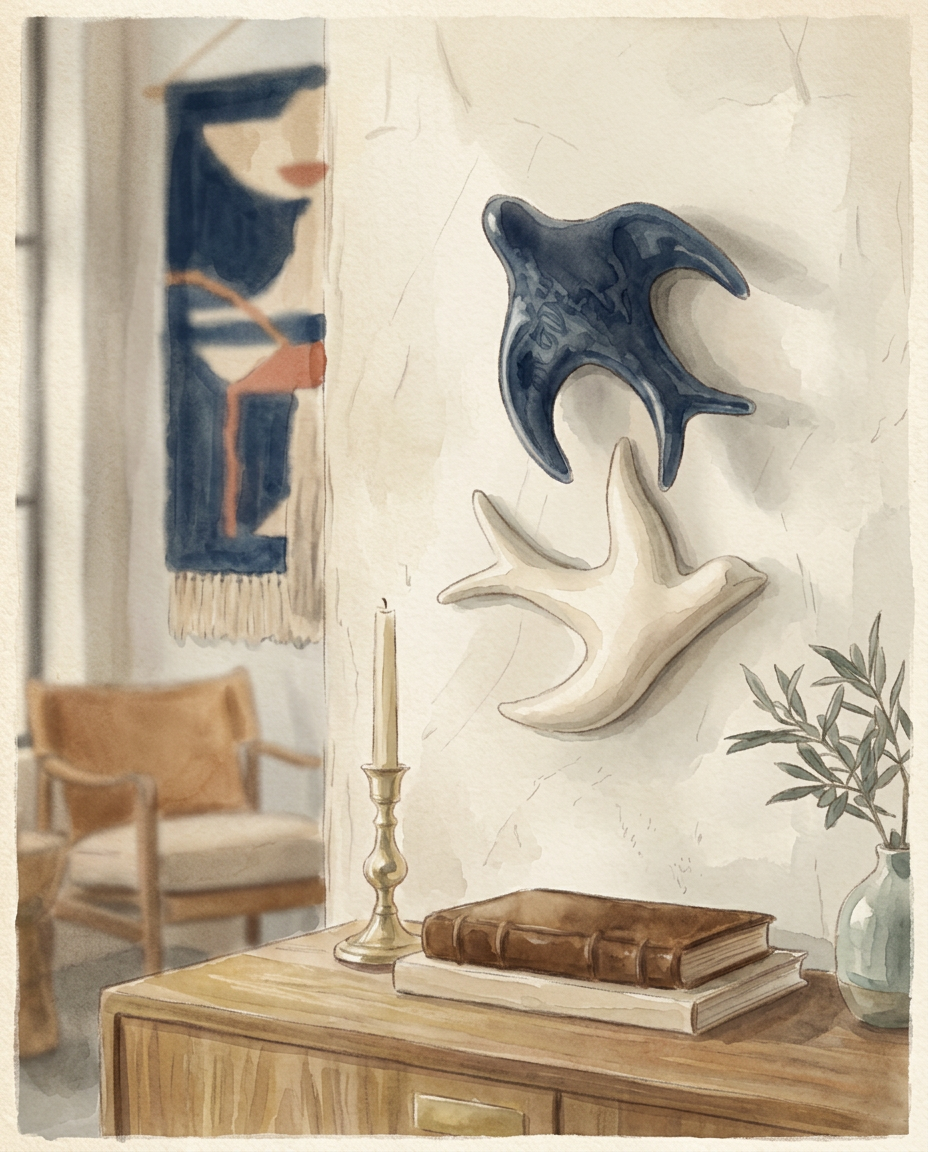
Hand-painted, ceramic swallows from Nabeul.
Thrown, fired, and brushed by hand in a Nabeul workshop designed to intake local clay. The glaze pulls a little differently in every kiln.
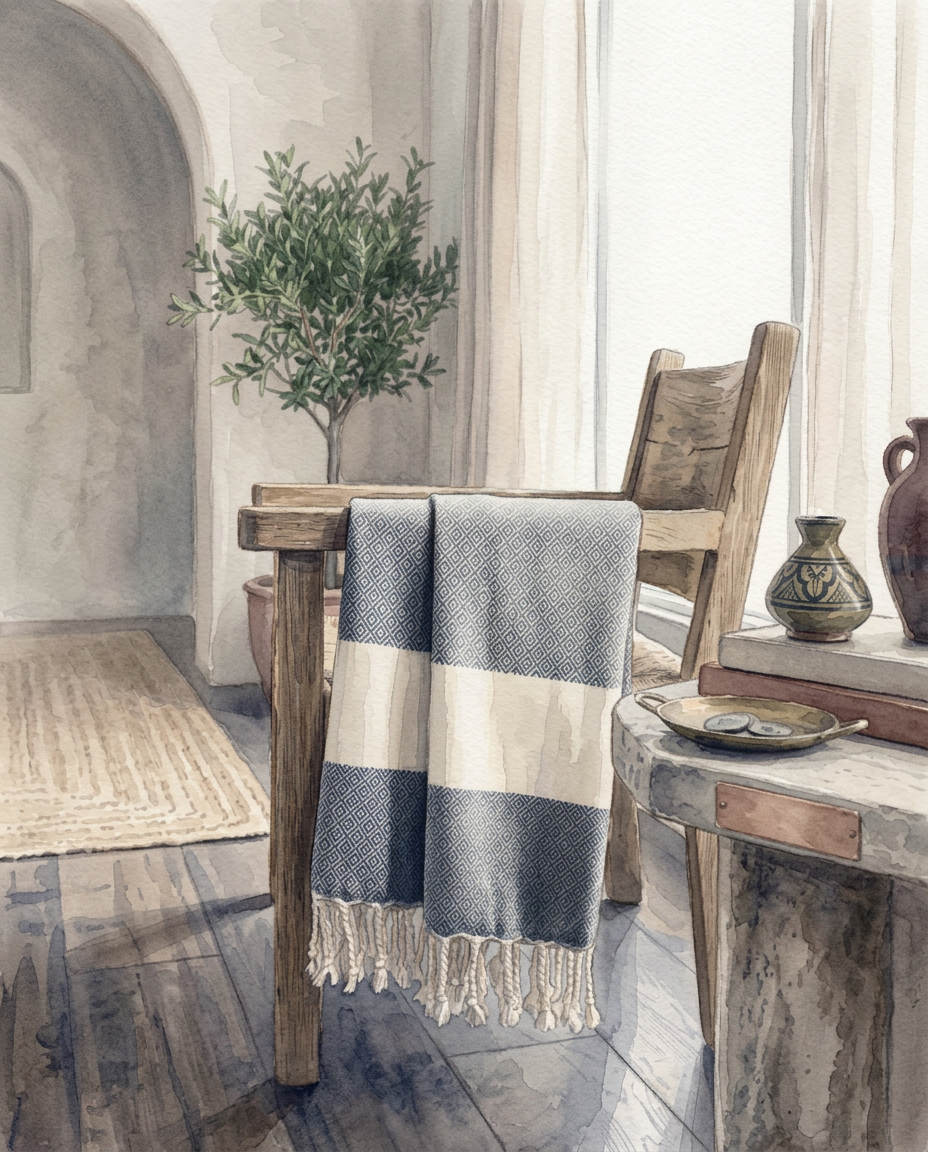
Chevron-striped fouta towel from Ksar Hellal.
Woven on wooden looms in Ksar Hellal, Tunisia's textile town for over a century. Crisp at first, heirloom-soft by the third wash.
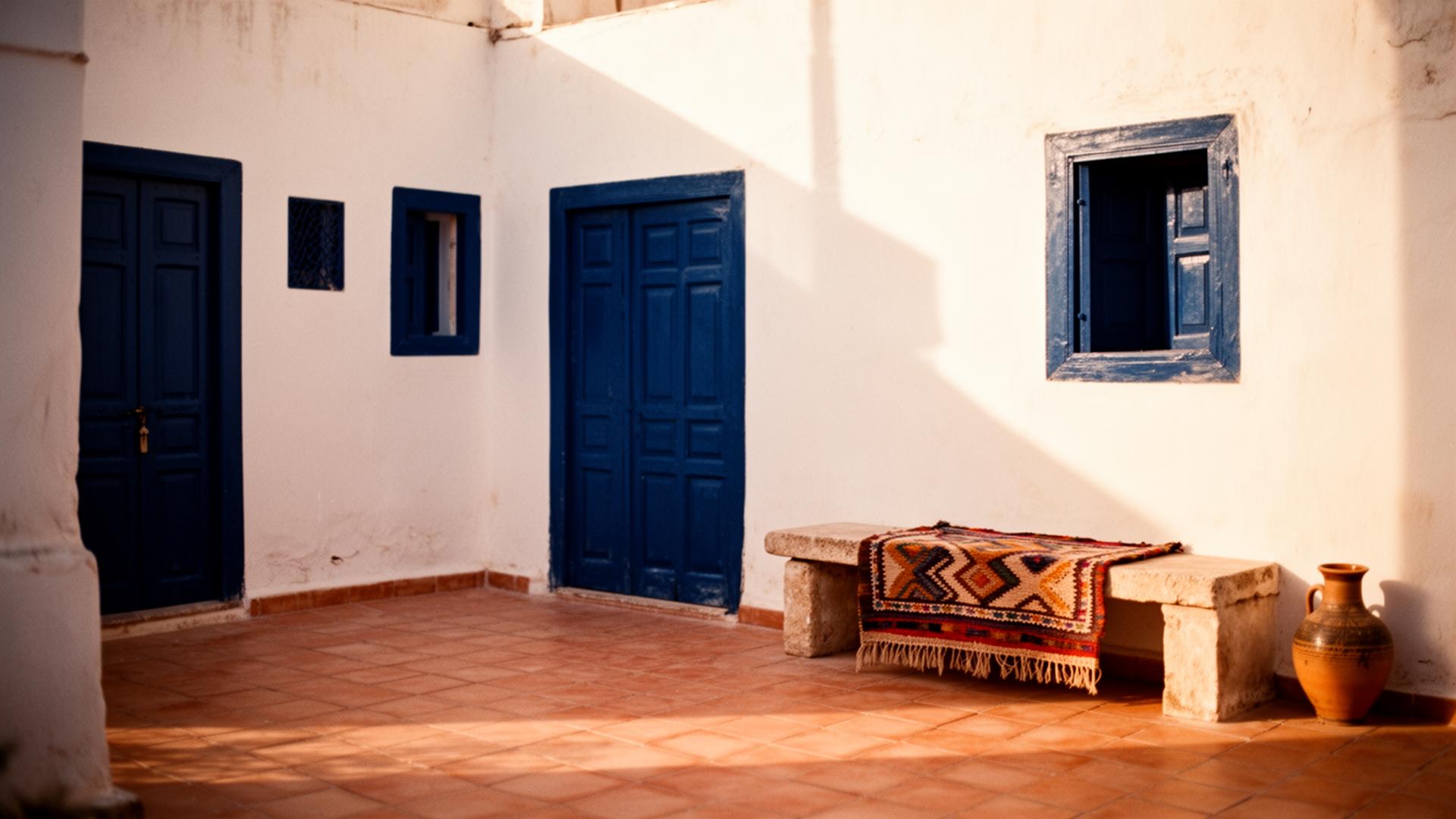
Most people cannot articulate the feeling, but they know it when it is gone.
It is the difference between a rug woven by a person in a specific village, with a pattern that carries generations of regional tradition, and a rug designed by an algorithm, manufactured in a facility, and optimized for a price point.
The objects may look similar in a photograph. They do not feel the same in a room. They do not mean the same thing when you reach down and touch them.
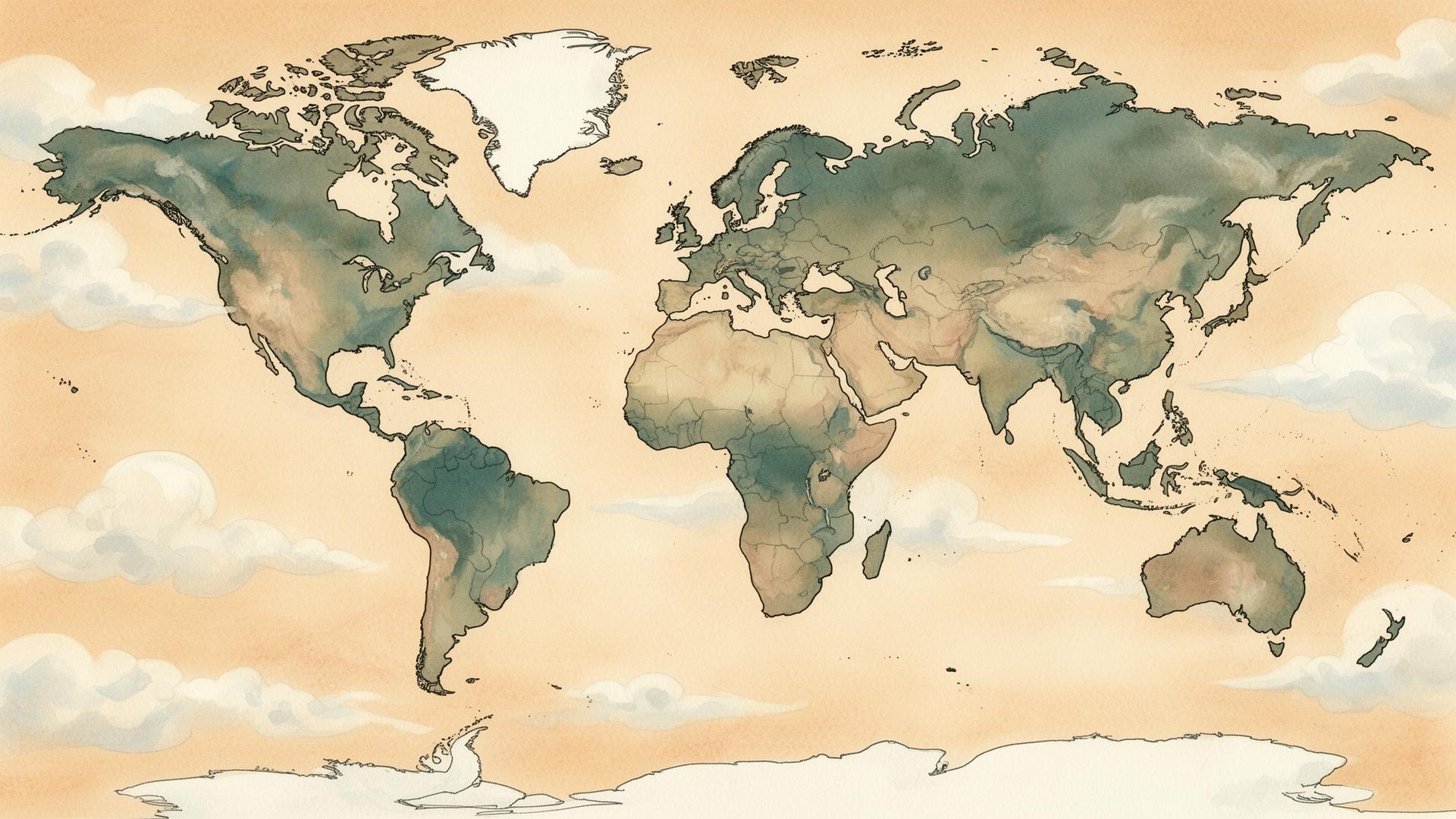
What if Blue Souk harnessed the right, modern toolsto preserve cultural heritage — and reachthe world's most singular, artisanal makers?
Imagine. A simple platform connecting an isolated artisan directly to the global marketplace. Rich digital records — accessible by QR code — documenting every fingerprint behind each object's heritage, creation, and delivery. Professionally verified. Beautifully presented. That's where we're headed.
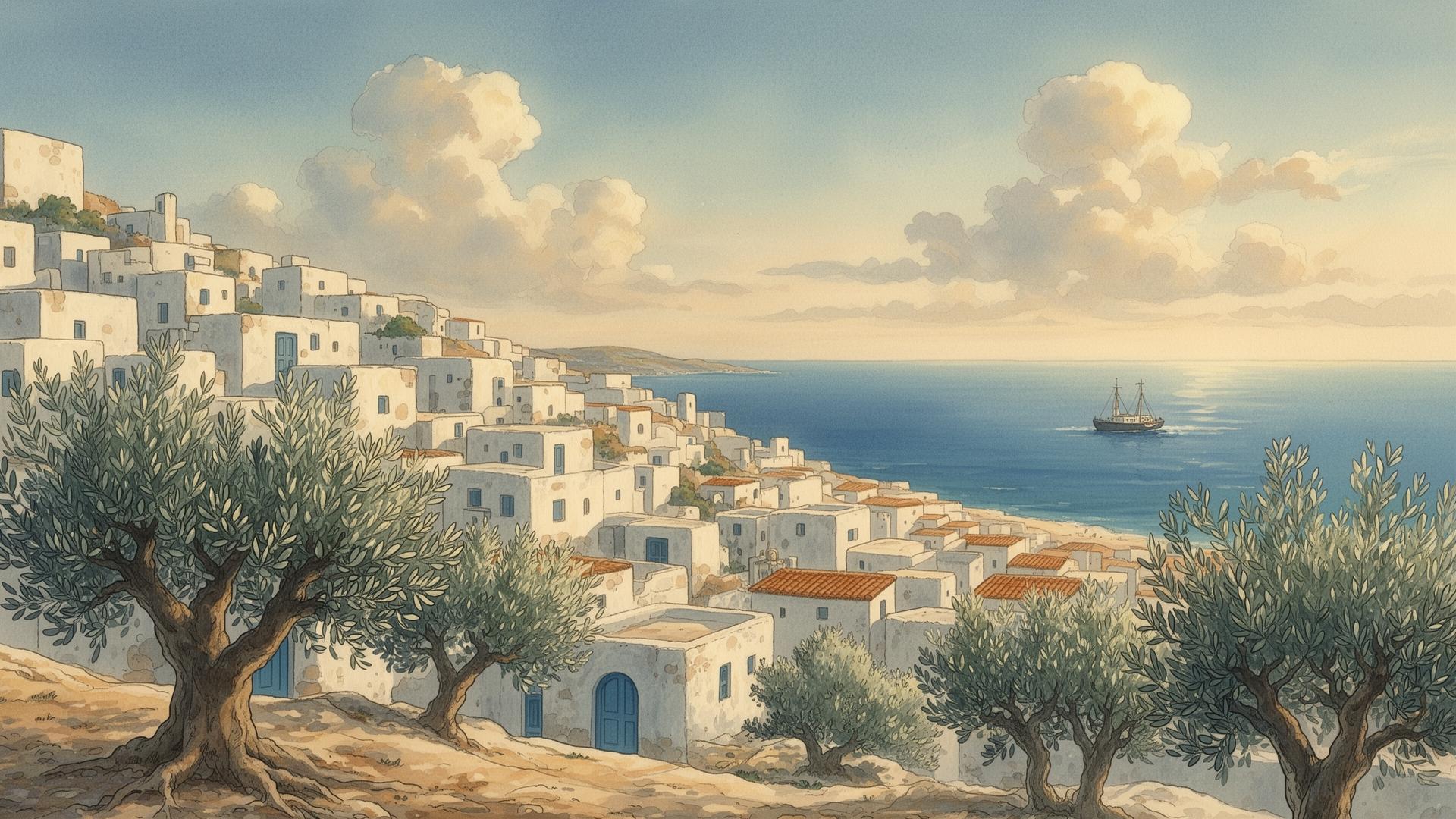
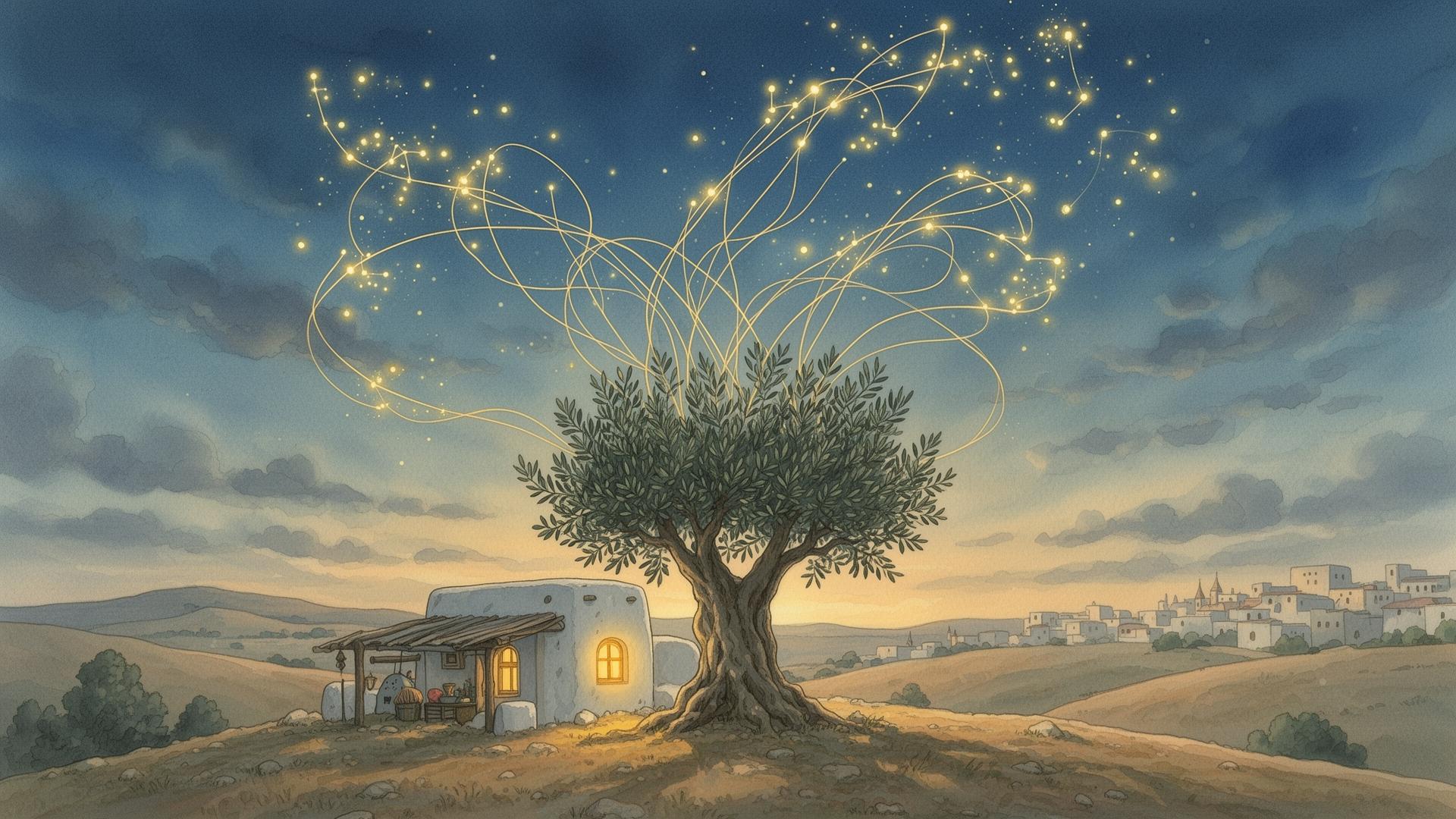
Proof of concept: Tunisia.
It's our test run. The founders built irreplicable, direct relationships with weavers, logisticians, potters, and accountants. We want Blue Souk's objects to bear all of the precious fingerprints of this supply chain — plus, the generations of heritage behind every object we curate. Tunisia is simply the first country where we'll open the door. But, we know there are many more doors to open.
You know where they are.
Tell us.
If there's a tradition, a region, or a creator the world should know — write us at chris@bluesouk.co, or connect via Instagram bluesouk.co. We're listening.
We trade in what's real.
Authenticity isn't a marketing claim. It's a discipline — of sourcing, of telling the truth, of refusing the shortcut.
Every object has a fingerprint. We do not erase it. We do not replace what's genuine.
We source directly from the people who make the work — weavers, potters, woodcarvers — in regions that have been making it the same way for generations. No middlemen, no mystery, no airbrush. The imperfections are the point.
AI can replicate the image of a thing. But, it cannot fabricate authenticity.
Marketing is increasingly fabricated, optimized, hollow. We use AI too — Claude for operations & logistics, ChatGPT for templates — and we'll always say so plainly. We're gravely concerned about what AI is doing to livelihoods. So, we'll never use AI to supersede or replace what's real.
That is our promise to you.
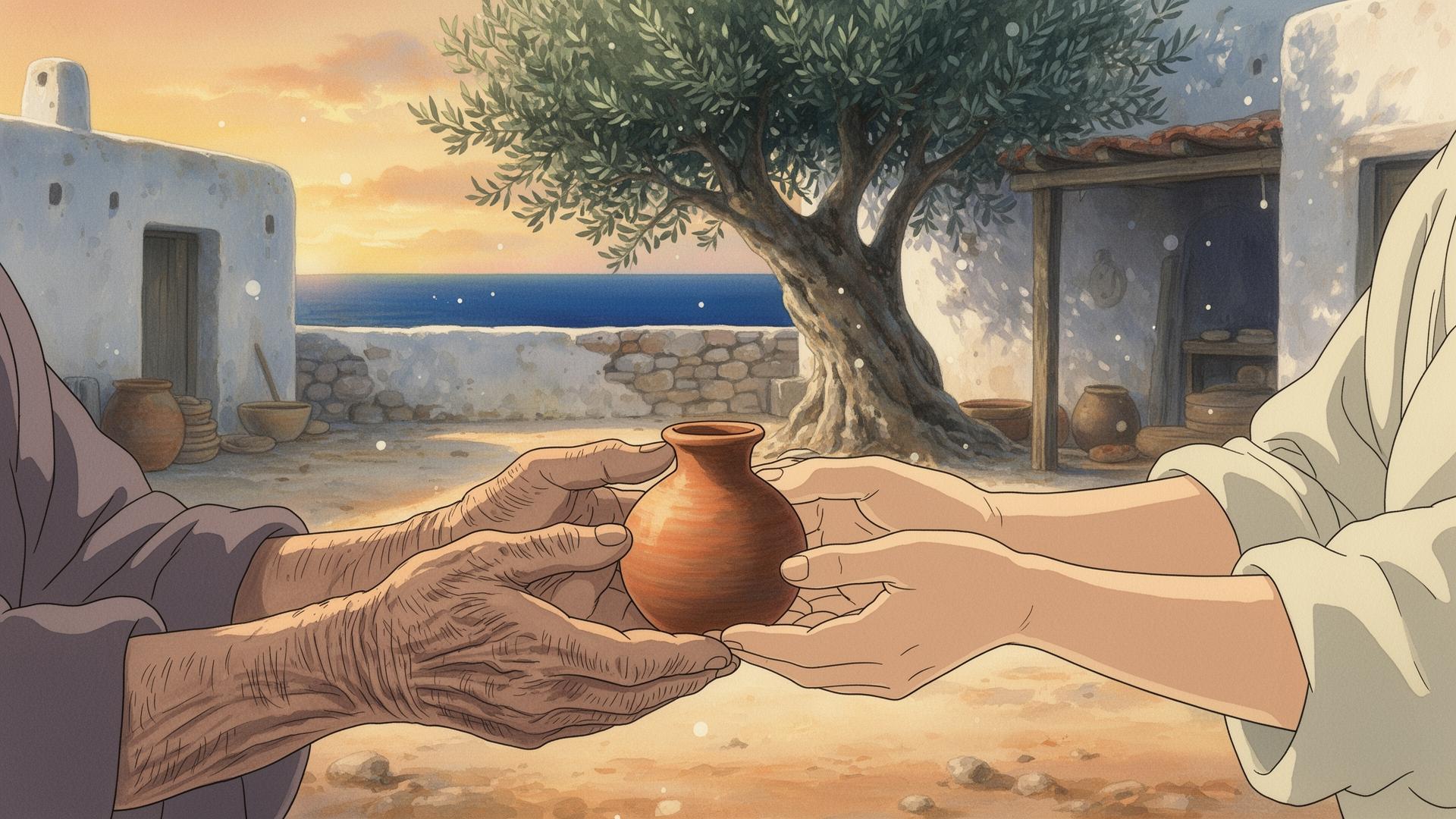
An object passed on, hand to hand — origin intact, story whole.
One last chance to be early.
Founding subscribers get an exclusive, one-time, 10% Founder's discount, first access to Blue Souk's first "Product Drop," and the occasional update from Tunisia ahead of launch in Spring 2027. No spam. No noise.
Follow the build.
We're documenting the road to launch — sourcing trips, workshop visits, and the quiet work of building a brand around the authenticity of an object.